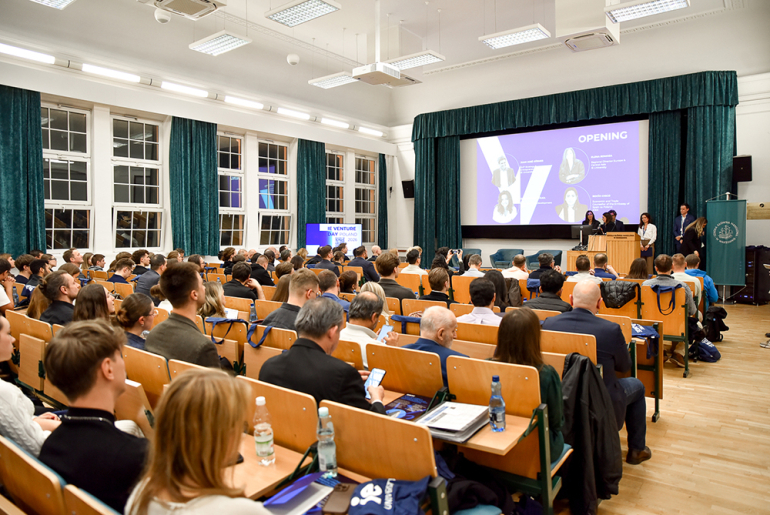
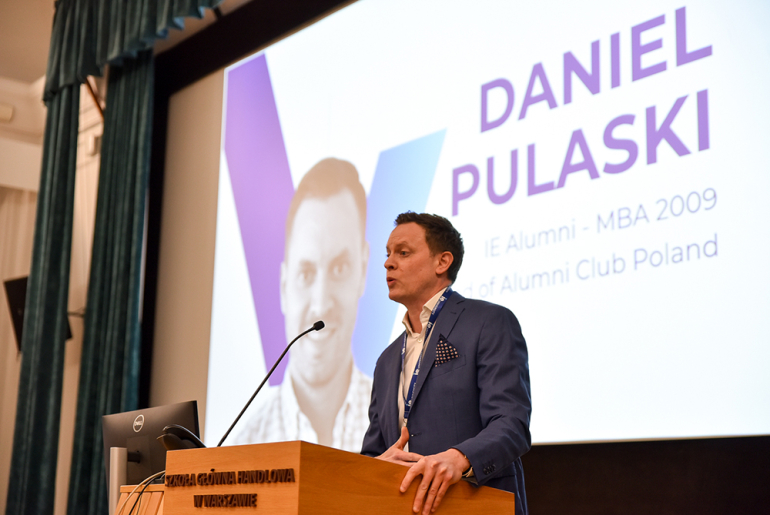
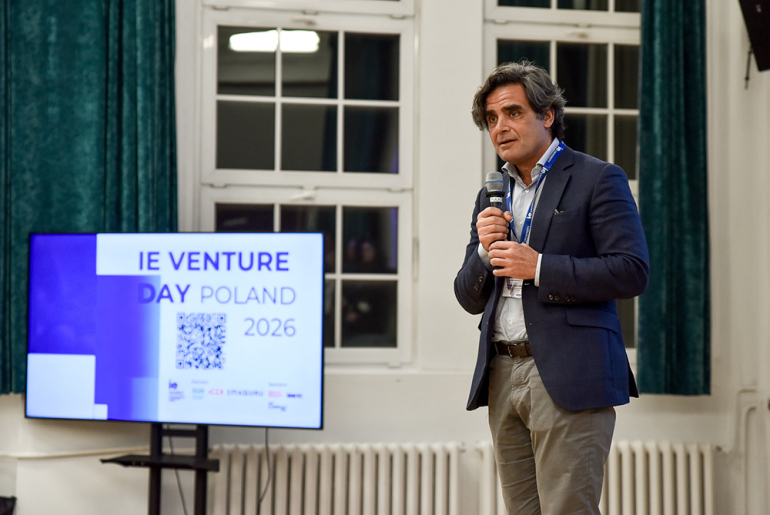
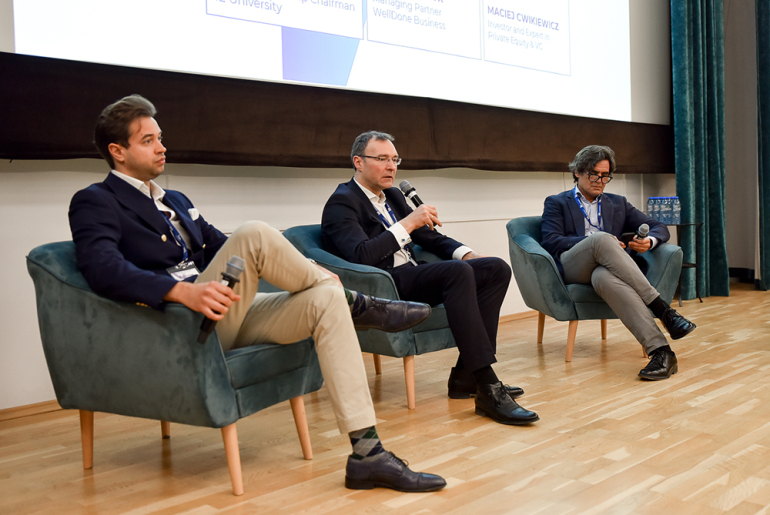
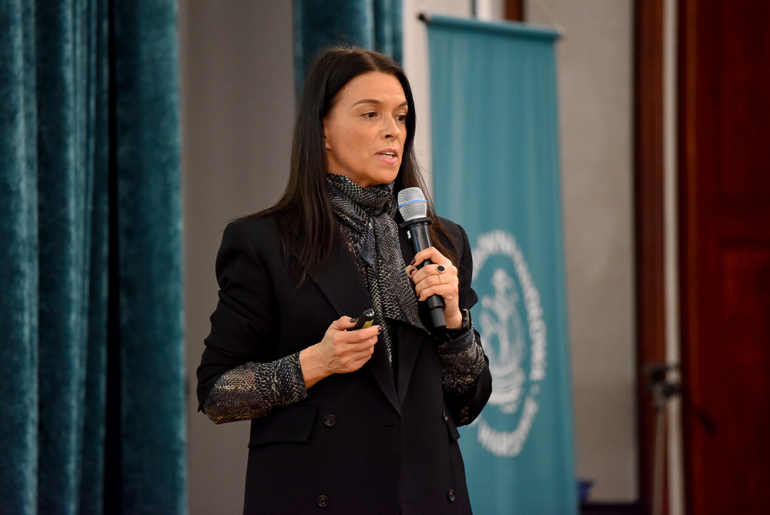
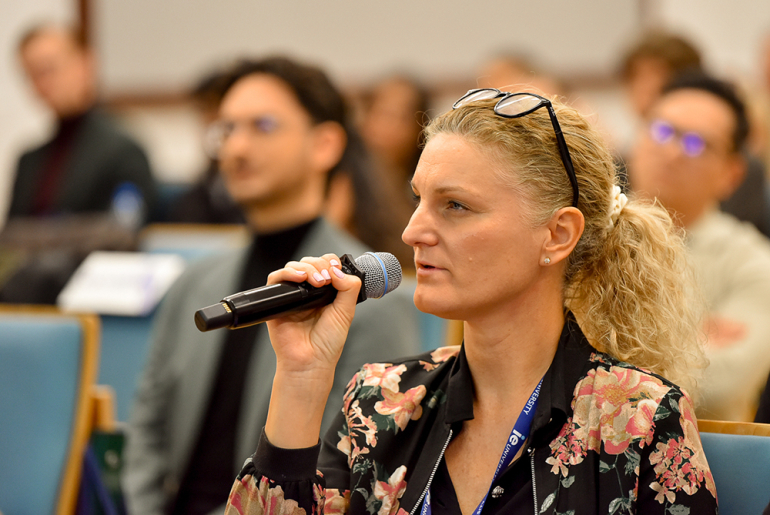
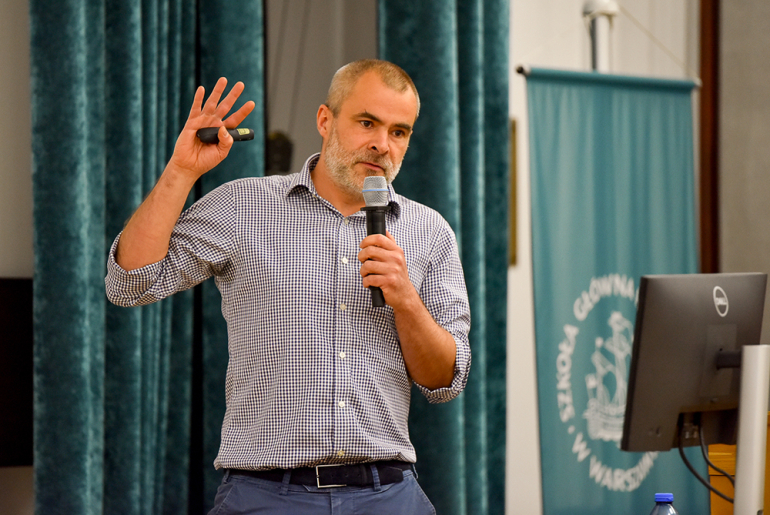
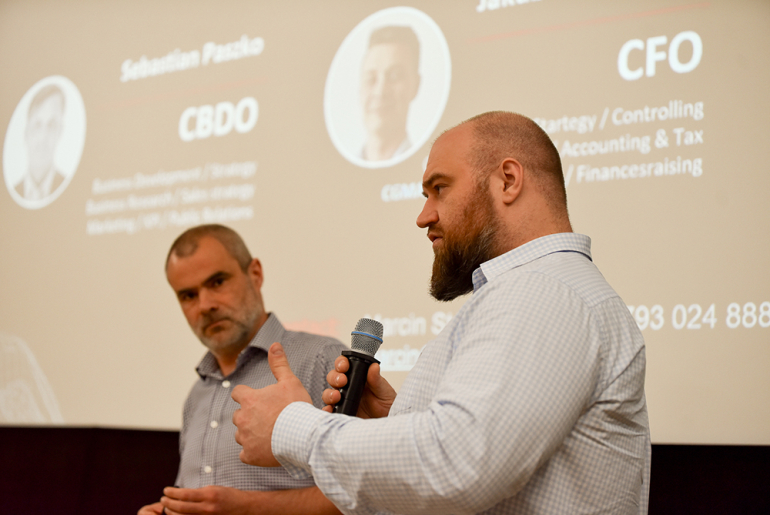
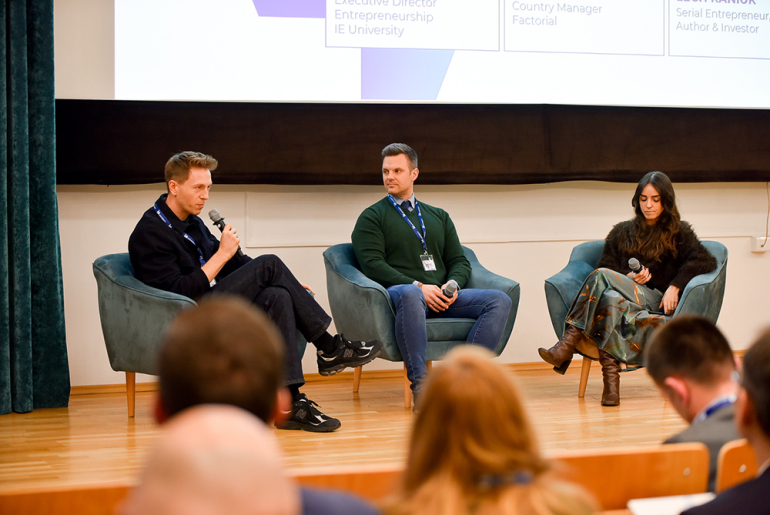
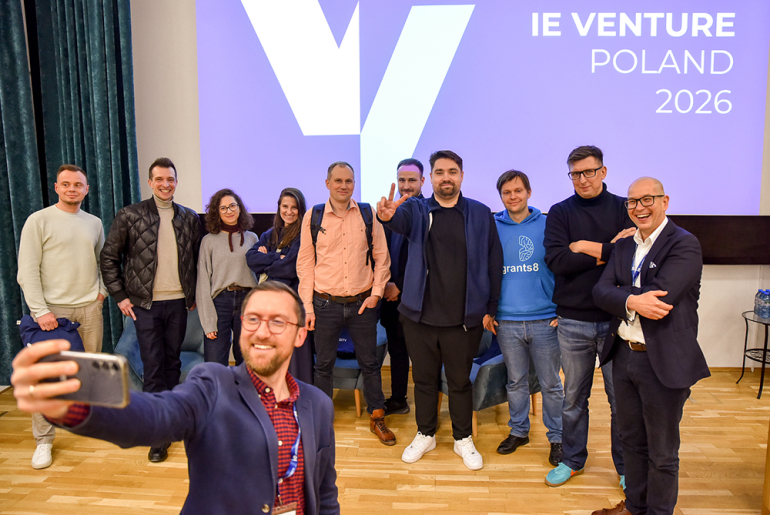
On March 3, 2026, the historic walls of the SGH Warsaw School of Economics witnessed an extraordinary event – "IE Venture Day Poland 2026." Organized by Madrid's IE University in partnership with SGH, the event brought together representatives of nearly the entire Polish startup ecosystem.
The event was part of the prestigious International Venture Day series, which for over a decade has been successfully connecting innovators with investors in the world's most important cities. IE University organizes this event not only across the European Union, but also overseas, in South America.
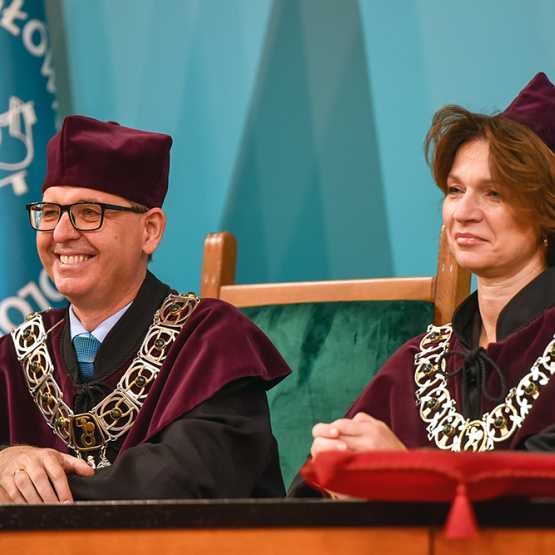
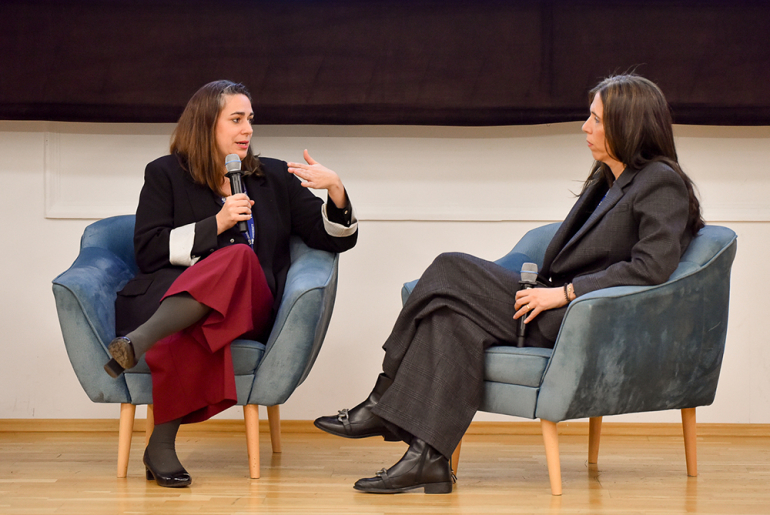
Reflections on the significance of the joint IE University & SGH initiative were shared with the SGH Gazette by the evening's honorary guests: Juan José Güemes, Vice President of IE University and head of its Entrepreneurship & Innovation Centre; SGH Vice-Rector for Development and professor Dr. Dorota Niedziółka; and Lech Kaniuk - one of the most recognizable figures in the Polish startup scene.
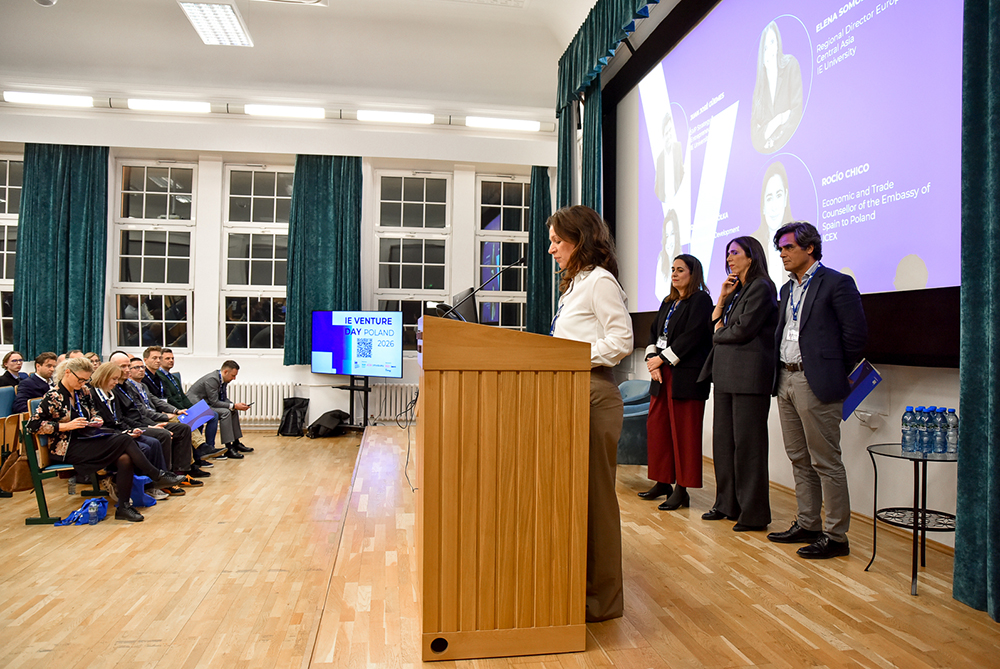
From the conversations I held with the panelists at IE Venture Day, one conclusion is clear: Warsaw was not chosen by accident. Juan José Güemes openly admitted that Poland had remained "the last large EU economy missing from the map" of the IE Venture Day global project.
So what are the key takeaways from Tuesday's event?
First and foremost, it confirmed Poland's growing stature as the world's 20th largest economy. While some question the accuracy of this ranking, initiatives like "IE Venture Day Poland 2026" serve as tangible proof of Poland's strong position. This Polish-Spanish startup celebration marked an important and symbolic moment in the internationalization of the Polish economy.
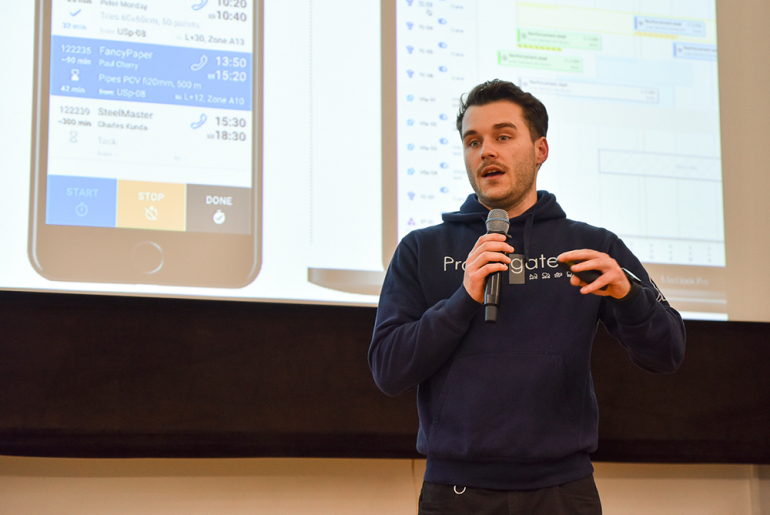
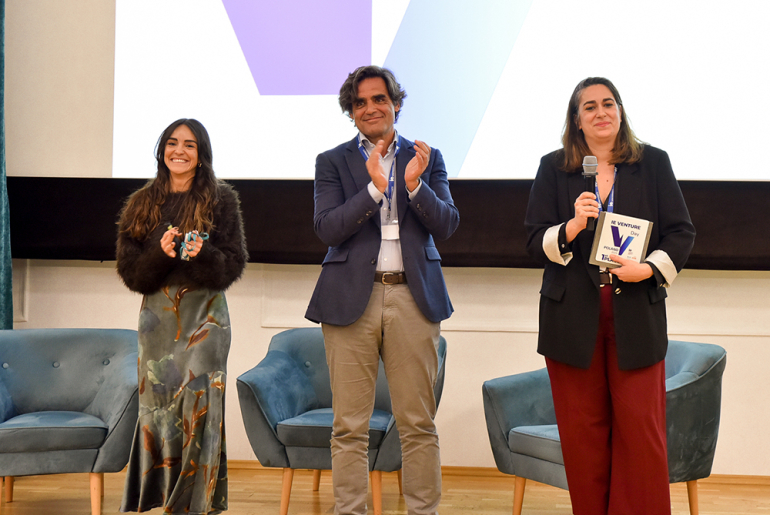
Second. Young Polish entrepreneurs are driven by an enormous hunger for success. The six startup teams that presented their projects demonstrated the remarkable ambition of homegrown innovators. Particular attention was drawn to the revolutionary startup Tachyotec, which is developing technology for storing data on glass. It is worth noting that the highlight of the event was a competition in which six Polish teams, including two from SGH, had the opportunity to pitch their projects. Tachyotec won over both the jury and the audience as the project best embodying the idea of innovation that bridges science with real market potential.
Third. The event confirmed that cutting-edge technology has its roots in universities. As many as 33% of the presented projects were based on solutions developed directly at Polish universities, it is a clear testament to the enormous potential for commercializing academic research, as well as the growing ambitions of Polish students.
Fourth. Polish startups are no longer limiting themselves to the domestic market. The quality of the pitches was so high that, as Juan José Güemes noted, it comes as no surprise that most founders plan global expansion from day one, reaching far beyond local horizons.
What does the debut of such a prestigious event as IE Venture Day mean for Poland?
"I think that very soon Poland will rise so prominently that various communities (...) will begin to realize what we have truly accomplished over the past 20 years - and that it is genuinely impressive," said Lech Kaniuk. "And also, that we will have to be reckoned with," he added.
As Juan José Güemes observed, the pace of change in Poland is so rapid that foreign institutions don't always keep up with this momentum. He candidly admitted that this had been the case for his own entrepreneurship and innovation center, but that "we finally understood that we could no longer delay coming to Poland, thereby ignoring such a critically important part of the European startup ecosystem."
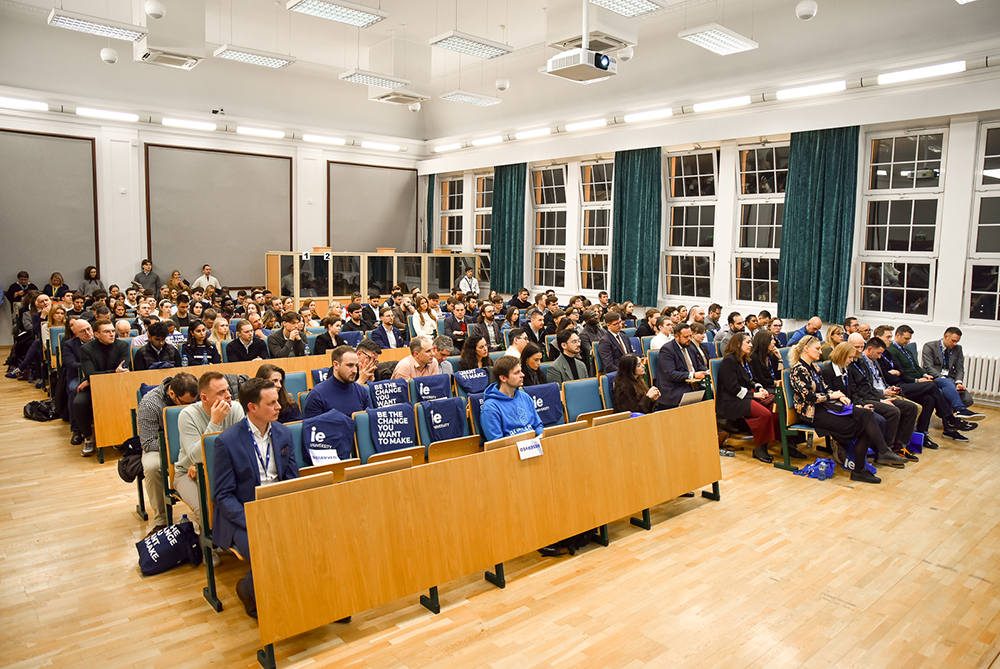
From SGH's perspective, the dynamic growth of startups feels entirely natural, and Tuesday's celebration of innovation - initiated at our university by IE University, with whom SGH is partnered through the CIVICA alliance — is simply the next step in building an education system that nurtures startups.
Do SGH students have a greater chance of succeeding in the startup world than those from other universities?
As Vice-Rector Dorota Niedziółka points out, SGH offers exceptionally favorable conditions for supporting students in building innovative businesses. One example is the MBA for Startups program, run jointly by SGH and Kulczyk Investments. SGH also houses the Centre for Startup Acceleration and Incubation, a place where bold ideas meet market reality. The Vice-Rector for Development also emphasizes that the foundation of startup success lies in community and the university's unique atmosphere: "It's above all about the environment (...), a kind of unique ecosystem made up of the atmosphere created by the SGH community (...), but also the lecturers, students, their ideas, and the will to be entrepreneurial."
The Polish-Spanish startup celebration at SGH is only the beginning of a shared journey. This account of the event is best concluded with an optimistic declaration from Juan José Güemes, who confirmed that the entrepreneurship-, innovation-, and startup-focused collaboration between IE University and SGH within the CIVICA alliance will continue. When asked whether this was the first chapter of a joint journey through Poland's startup ecosystem, the IE Vice President replied with full conviction: "I hope so."
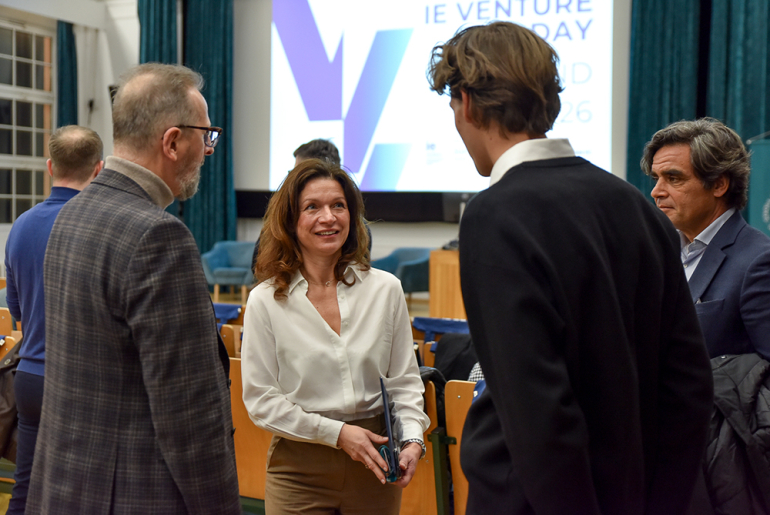
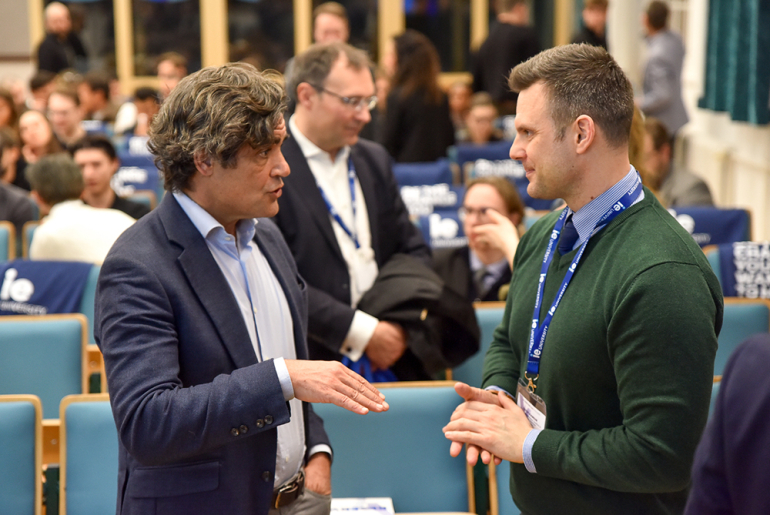
SGcHat | StartUp Art | Sztuka Innowacji: IE Venture Day Poland 2026
W odcinku podcastu SGcHat poświęconemu #StartUp, dr Albert Tomaszewski rozmawiał z Juanem Josém Güemesem, wiceprezydentem IE University i szefem tamtejszego centrum przedsiębiorczości i innowacji (IE Entrepreneurship & Innovation Centre).
Rozmowa towarzyszyła debiutowi IE Venture Day w Polsce – wydarzeniu łączącym startupy z inwestorami, które zorganizowały IE University i Szkoła Główna Handlowa w Warszawie.
Gość opowiedział o swojej drodze zawodowej od wysokiego urzędnika hiszpańskiego rządu, do pracy w świecie akademickim i startupowym. Wskazał ciekawe podobieństwa między pracą na kierowniczym stanowisku w sektorze publicznym a budowaniem startupu. Podkreślił, że w obu przypadkach chodzi o podejmowanie decyzji przy niepełnych informacjach i stawianie właściwych pytań. Jako przykłady „wczesnych ćwiczeń” z innowacyjnego przywództwa podał cyfryzację hiszpańskich działań promujących turystykę.
Juan José Güemes przedstawił także globalną misję IE University, której celem jest łączenie lokalnych przedsiębiorców z międzynarodowymi sieciami kontaktów. Ocenił potencjał polskich startupów jako wysoki i wyraził nadzieję, że polsko-hiszpańskie święto startupów w SGH to dopiero początek wspólnej drogi.
Rozmowę przeprowadzono w języku angielskim.
----------
In an episode of the SGcHat podcast dedicated to #StartUp, Albert Tomaszewski PhD, spoke with Juan José Güemes, Vice President of IE University and head of its entrepreneurship and innovation centre (IE Entrepreneurship & Innovation Centre).
The conversation accompanied the debut of IE Venture Day in Poland – an event connecting startups with investors, organised by IE University and the Warsaw School of Economics (SGH).
The guest spoke about his professional journey from being a senior official in the Spanish government to working in the academic and startup world. He highlighted interesting parallels between holding a senior position in the public sector and building a startup, emphasising that both involve making decisions with incomplete information and asking the right questions. He cited the digitalisation of Spain's tourism promotion efforts as an example of an early exercise in innovative leadership.
Juan José Güemes also outlined the global mission of IE University, which aims to connect local entrepreneurs with international networks. He assessed the potential of Polish startups as high and expressed hope that the Polish-Spanish startup celebration at SGH is just the beginning of a shared journey.