CIVICA CONNECT – Sports, Integration, and Inclusivity in the Heart of Europe
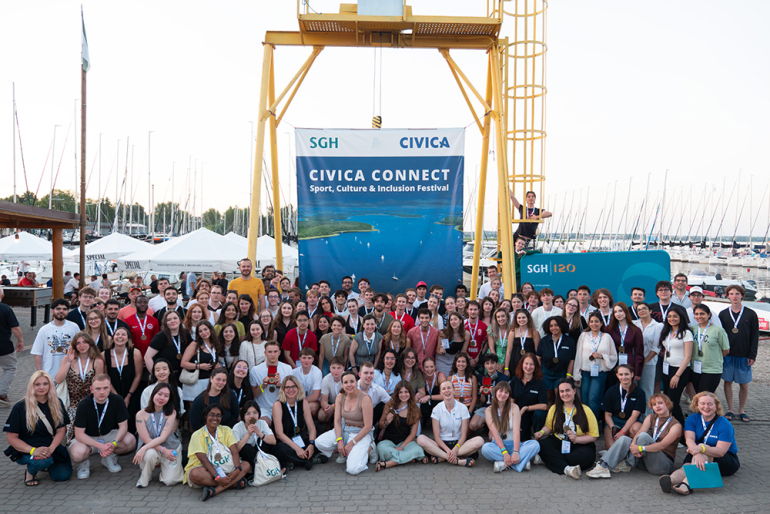
Is it possible to develop skills, build international relationships, and have a great time all at once? Participants in the CIVICA CONNECT: Sport, Culture, and Inclusiveness Festival 2026 have no doubt about it. From June 24–27, 2026, the picturesque Masuria region served as the venue for a gathering of nearly 180 students and staff from all universities belonging to the CIVICA alliance —The European University of Social Sciences. The event was organized by SGH Warsaw School of Economics.
The festival, organized at the AZS Wilkasy resort on Lake Niegocin, was much more than just a sporting event. It combined physical activity, international integration, the exchange of experiences, and initiatives promoting inclusivity and accessibility—values that form the foundation of cooperation within the CIVICA alliance.
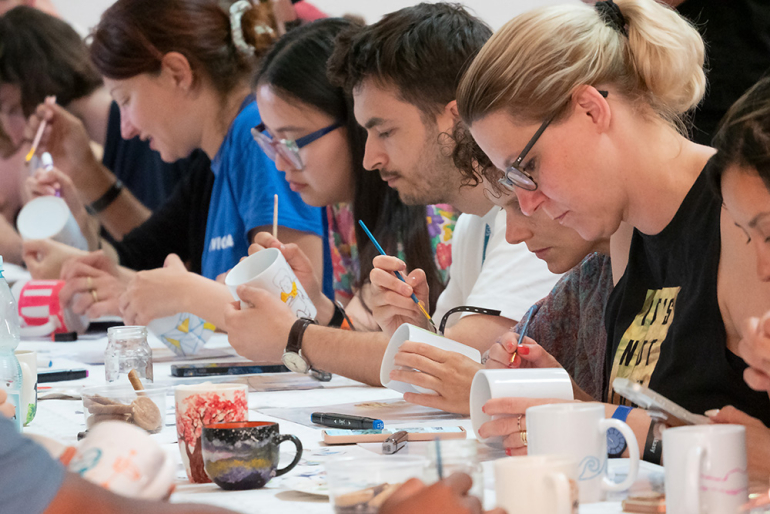
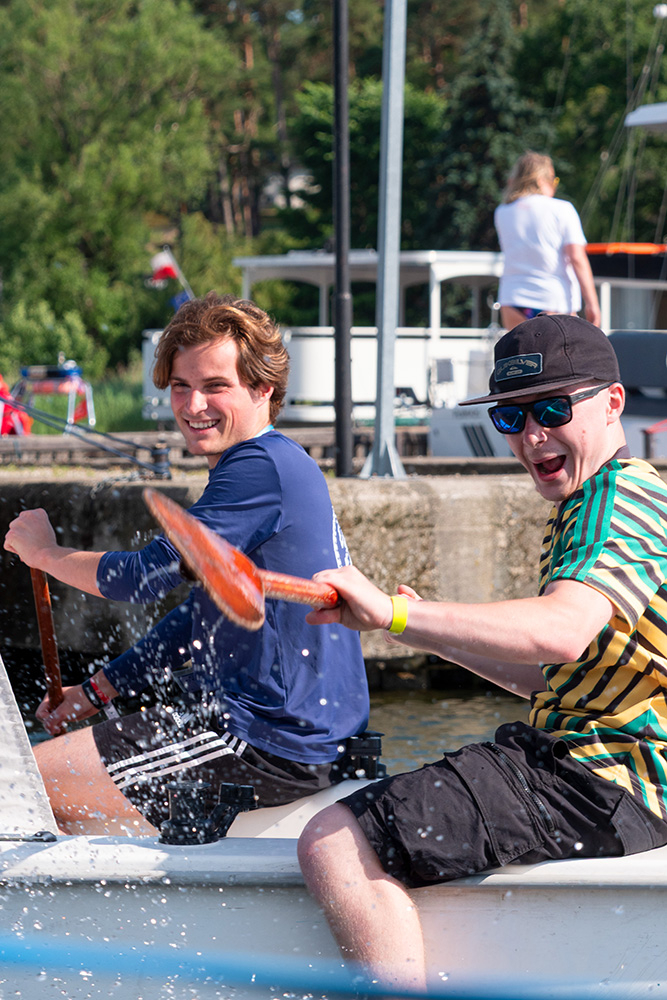
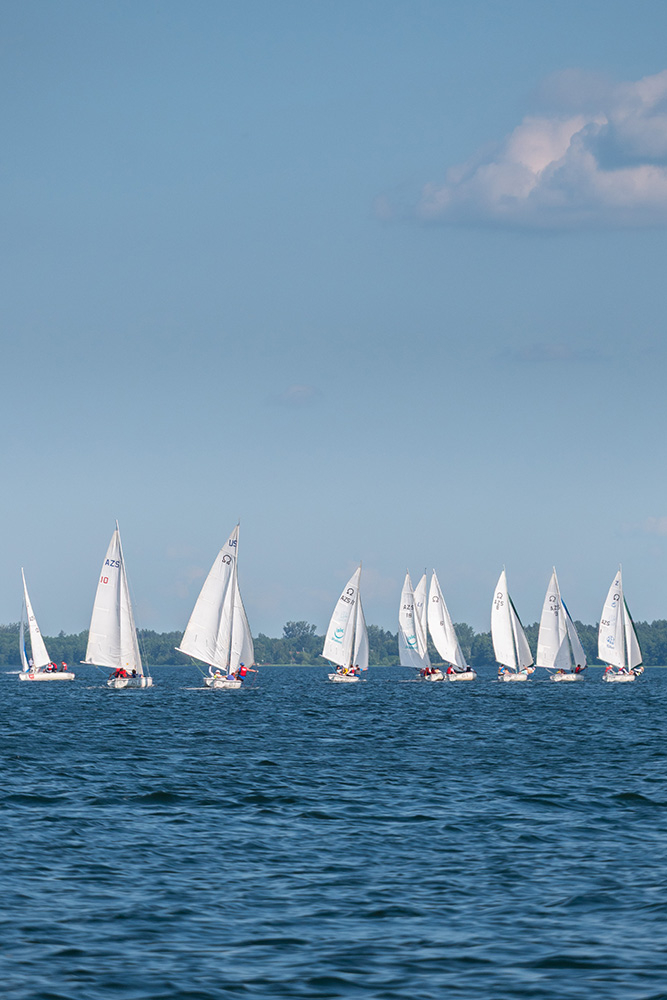
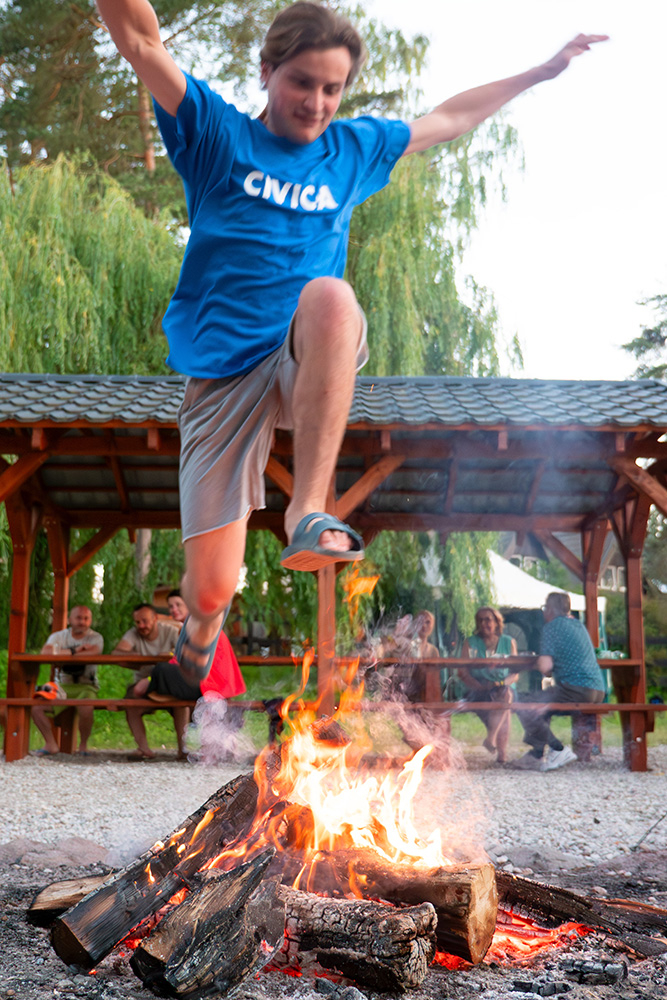
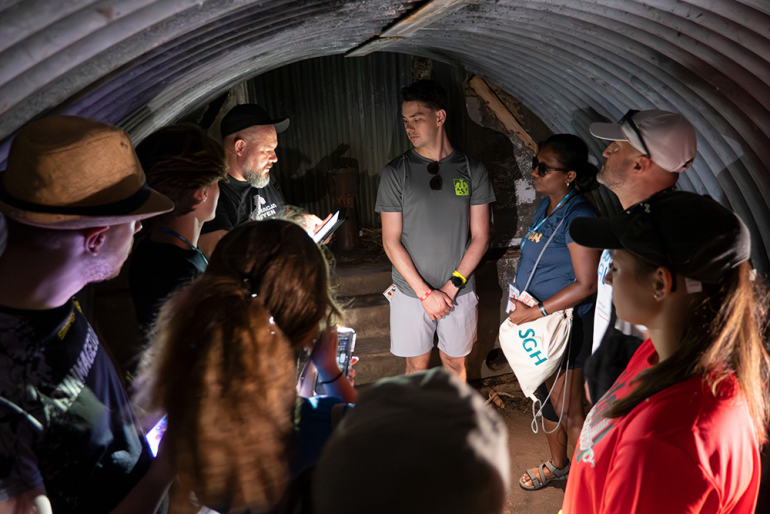
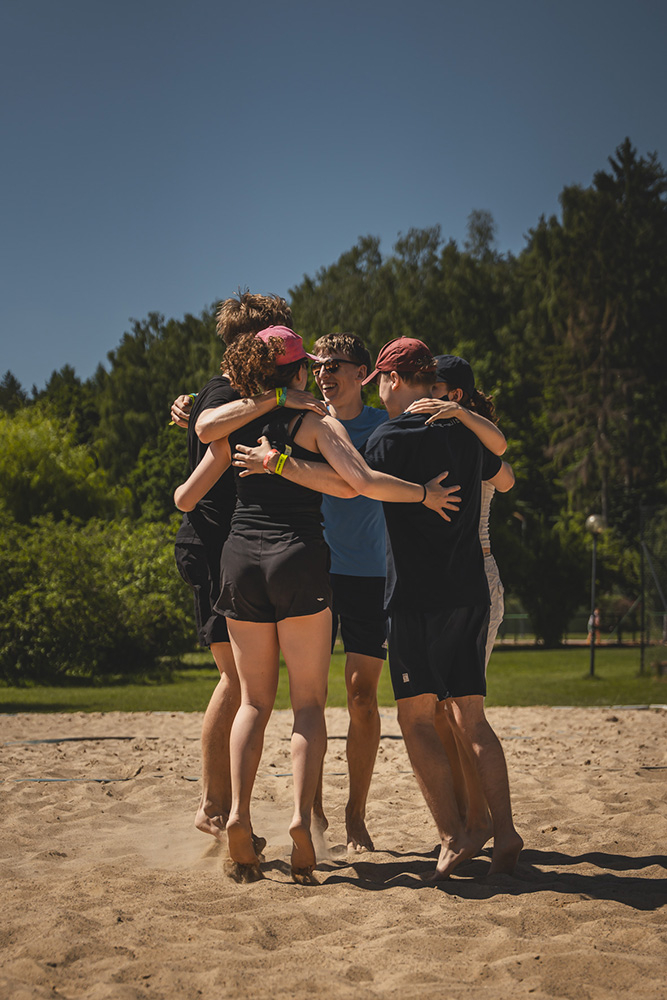
The event program was designed so that every participant could find an activity that suited their interests. Participants could enjoy sailing races, kayaking, stand-up paddleboarding (SUP), tennis, beach volleyball, 3x3 basketball, recreational activities, a cruise on the Masurian Lakes, ceramic painting workshops, and a bike ride to the historic Boyen Fortress.
The true value of these activities lay not in athletic competition, but in the opportunity to meet new people, work in international teams, and build relationships that transcend national and university boundaries. Shared challenges, conversations, and experiences demonstrated that sports are a universal language that effectively brings together people from different cultures, with different languages and life experiences.
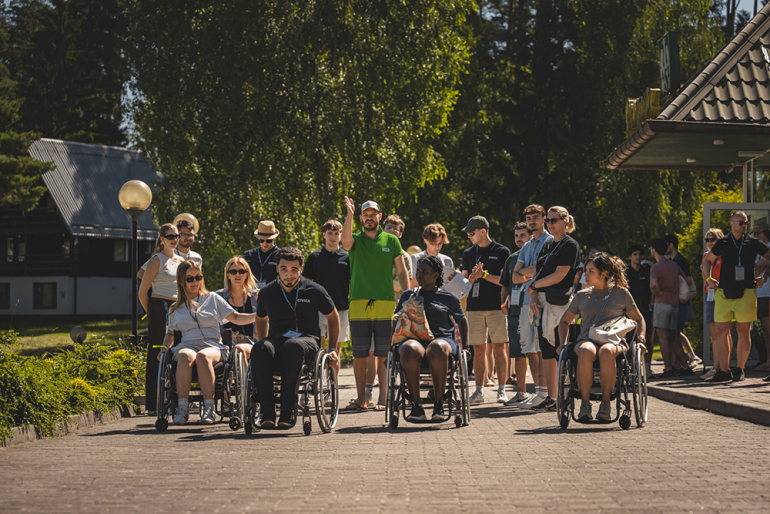
A special feature of the program was the “CIVICA Training on Inclusion,” developed by experts from the Scientific Council of the Polish Paralympic Committee. The sessions were primarily practical. Participants were able to experience firsthand the challenges faced by people with disabilities, while also learning about solutions that enable fuller participation in academic and social life. The program included, among other things, sessions on goalball, karate, and wheelchair sports, as well as workshops on accessibility and the removal of architectural barriers.
One of the festival’s main goals was to strengthen the sense of community within the CIVICA alliance. Building relationships among students and staff from ten European partner universities is one of the most important elements of Work Package 9—CIVICA Community and Identity—coordinated by SGH.
The time spent in Masuria demonstrated that international cooperation is not limited to lecture halls or joint research projects. Playing sports together, engaging in conversations, exchanging experiences, and daily interactions create lasting bonds that will bear fruit in the future through further academic, educational, and social initiatives.
We also have some very good news for the entire SGH community and our partner universities. The CIVICA Alliance has received funding for its activities for the next two years, which means that in 2027, SGH will once again host the sports and culture festival.
We warmly encourage SGH students and staff to follow updates published on the university’s website and social media. The next edition will be a unique opportunity to meet people from Europe’s top social and economic universities, gain new experiences, develop intercultural competencies, and actively participate in the life of the CIVICA community. It is precisely such events that best demonstrate that a European university is not only about joint study programs and research projects, but above all about people who learn together to cooperate, show mutual respect, and take responsibility for a shared future.
The festival was also one of the events accompanying the celebrations of the 120th anniversary of the SGH Warsaw School of Economics. Participants were visited by SGH Rector Piotr Wachowiak and Vice Rector for International Cooperation Jacek Prokop, who emphasized the importance of internationalization and SGH’s active participation in the development of the CIVICA alliance.
The “CIVICA Training on Inclusion” workshop and the entire festival are part of broader activities carried out by SGH as part of the project “CIVICA 4All: Inclusion, Accessibility, and Engagement in European Universities,” which aims to promote accessibility in education, research, and academic engagement, as well as to strengthen the university community’s competencies in the areas of equality, diversity, and inclusion. The project is implemented jointly by the Center for International Cooperation, the Office for Accessibility and Support for People with Disabilities, the Center for Physical Education and Sports, and the Department of Social Policy at SGH. The project is funded by the European Union through the European Funds for Social Development (FERS) as part of the NAWA program “Support for European Universities.”
MAŁGORZATA CHROMY, Director of the International Centre at the SGH Warsaw School of Economics